By: Elizabeth Bass Daughtry, DPM, D.ABFAS, FACFAS: Podiatric Surgeon and Physician
When it comes to bunion prevention, a few simple habits can go a long way. Bunions—also known as hallux valgus—are more than just a bony bump on the side of your foot. They can cause serious discomfort, lead to long-term bunion pain, and even require surgical treatment if left unchecked. While some risk factors like genetics can’t be avoided, others—like your choice of shoes, foot posture, and daily foot care routine—are well within your control. Whether you’re starting to notice bunion symptoms, concerned about bunion progression, or simply looking to prevent bunions before they develop, these expert-backed bunion prevention tips are here to help.


What Causes Bunions
So, what is a bunion exactly? Bunions are a common, painful condition that results when the great toe drifts toward the smaller toes and in turn leads to a bony prominence to appear on the inside edge of the foot. This condition progressively develops due in part to genetic factors but also environmental factors such as activity level and associated choice in shoe wear. Many people, especially females, suffer from this issue mainly due to the impact of lack of proper arch support in their shoe options.
To help people make informed decisions regarding proper shoe choices, the American Podiatric Medical Association (APMA) offers a Seal of Acceptance Program that informs the public regarding products that promote good foot health. For a specific product to earn the seal, each product is reviewed by a group of APMA podiatrists to ensure that it has met the guidelines to assist and promote foot health. By focusing on proper footwear and overall foot health, the risk of developing a painful bunion deformity can be reduced or postponed or prevented in advanced progression.
APMA accepted shoes are styles that have received this Seal of Acceptance, meaning they have been evaluated and approved by foot health experts. When shopping for new shoes, especially if you are concerned about bunions or overall foot comfort, look for the APMA Seal as a sign of support, quality, and trusted design.
Bunion Prevention: Our Expert Tips
Choosing the Right Footwear
The first step in bunion prevention is to choose the proper shoe for the planned activity. In general, when choosing the proper supportive women’s footwear, try to avoid tight, pointed toe shoes to allow for adequate movement of toes, prevent pushing the toes out of alignment, and allow for enough space for the toes to spread comfortably. Shoes with a lower heel also provide enough room for the toes to spread when wearing enclosed shoes. A heel height of no more than one inch helps to evenly distribute weight evenly across the foot and avoid excessive pressure on the forefoot or crowding of the toes.
If you prefer flats, look for those with built-in arch support as this will allow for improvement of your balance, adequate arch support, and comfort with enough cushioning to assist with adequate shock absorption while walking. In general, shoes with good arch support help maintain proper alignment of the foot and reduce the strain on the big toe joint decreasing the potential for arthritic changes and development of tendon imbalance.
Wearing Orthotics
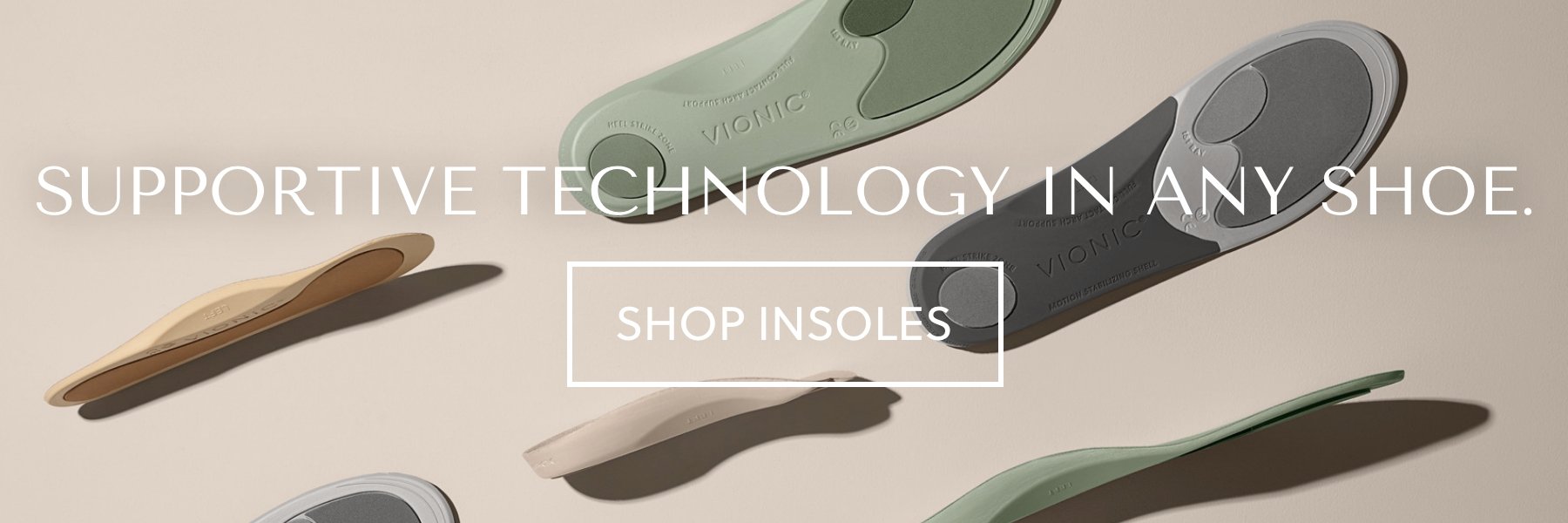
Another important treatment option for preventing bunion development or advancing progression of the deformity is to wear custom molded orthotics. For those individuals with specific foot shapes and structures, including those with excessively flat feet or high arches, custom orthotics will allow for adequate arch support to help evenly distribute pressure and are designed to fit your unique foot shape. Prefabricated insoles or pre-set insoles built into shoes can be either too aggressive or not aggressive enough to control the over-pronation motion that can lead to the advancement of a bunion deformity. This helps align your feet and reduce strain on the joints and distributes pressure more evenly. To avoid and correct for abnormal foot mechanics, be sure to seek professional assistance from a podiatrist for custom molded orthotics and assist with avoiding mal-alignment.

Consider Foot Posture and Stride
Proper foot posture and a conscious effort to correct your gait by paying attention to how you walk to avoid excessive mal-alignment during gait and progressive development of foot deformities. Consult a physical therapist or podiatrist if concerned about your gait if you happen to notice that you are rolling your feet inward or note excessive wear on one side of your shoe than the other. Along these lines, keep your feet flexible and strong by stretching and
strengthening your feet. Tight or weak muscles in the feet can add to the imbalance of tendons in the toes that can add stress to the big toe joint. Using toe separators and toe splints along with performing foot strengthening and toe stretch exercises will help maintain foot health and potentially reduce the risk of bunion development.
Opt for Low Impact Exercises
Certain high-impact activities can put repeated stress on the feet, such as running on hard surfaces or wearing unsupportive shoes for a long time period can add to the risk of bunion development. Taking breaks or choosing low-impact exercises such as swimming, biking, or an elliptical machine, can allow for a more active lifestyle but reduce stress and prevent foot fatigue. Along these lines, carrying excessive weight can put additional pressure on the feet and increase risk of bunion development so maintaining a healthy weight will reduce the strain on the feet and prevent/slow the progression of bunion formation. To offset some of these issues, use of arch support, adequate cushioning, and appropriate supportive shoe gear is key.
Bunion Prevention: Caring for Your Feet
If you notice any signs of bunion development, pain, or redness, it is essential to address the issue early before it worsens. Ignoring early symptoms can lead to more discomfort and deformity over time. Consult a podiatrist if you suspect that you are developing a bunion so a personalized recommendation can be performed to manage the condition. Early intervention is key to help prevent the need for possible, more invasive treatments in the future. Be proactive in regards to foot care by adopting preventative measures early on to avoid developing bunions and minimizing the potential severity of the deformity and stay ahead of preventable and potential issues. Keep in mind that bunions can run in families so if you have a family history, be proactive and apply preventative measures early on to avoid excessive bunion deformity and assist with minimizing the severity by being smart with footwear choices.
Support Starts with the Right Shoe
When it comes to preventing bunions, your footwear choices matter more than you might think. At Vionic, we’re committed to designing shoes that don’t just look good—they support your feet where it counts. Our styles are built with Vio Motion technology, offering three-zone comfort: stability, arch support, and cushioning. That means less strain on the big toe joint, better overall foot alignment, and reduced risk of bunion development over time.
Whether you’re on your feet all day, managing bunion pain, or simply taking proactive steps to support your foot health, Vionic shoes help you move confidently and comfortably. Don’t wait for bunion symptoms to appear—make supportive footwear part of your prevention strategy from the start.
Author:
Dr. Elizabeth Daughtry obtained her bachelor’s degree in Biological Science majoring in biology with minors in chemistry and psychology from Meredith College in Raleigh, NC. She pursued her passion for medicine by attending Temple University School of Podiatric Medicine in Philadelphia, PA, where she received her doctorate.
Upon completion of her post-graduate studies, Dr. Daughtry attended one of the largest and well-recognized podiatric residencies in the Mid-Atlantic region, MedStar Washington Hospital Center and MedStar Georgetown University Hospital, for a comprehensive three-year surgical residency in foot and ankle surgery. She received excellent training in both elective and non-elective care in the forefoot and rearfoot reconstruction, trauma, as well as wound care for limb salvage.
Dr. Daughtry is Board Certified by the American Board of Foot and Ankle Surgery in Foot Surgery. She is on the medical staff at UNC Rex Hospital, WakeMed Cary, Sampson Regional Medical Center, and Harnett Health System.
Dr. Elizabeth Daughtry is on the Executive Board of the North Carolina Foot and Ankle Society as President and is a state Delegate for the American Podiatric Medical Association. She is also a previous Executive Board member of the American Association for Women Podiatrists and the previous Conference Chair of the AAWP Scientific Conference for multiple different years.
Dr. Daughtry is originally from Spivey’s Corner, NC, and currently resides in Dunn with her musician husband, Michael Daughtry, and her daughter, Anika. She enjoys time with her family, playing music, scrapbooking, and other arts and crafts.