

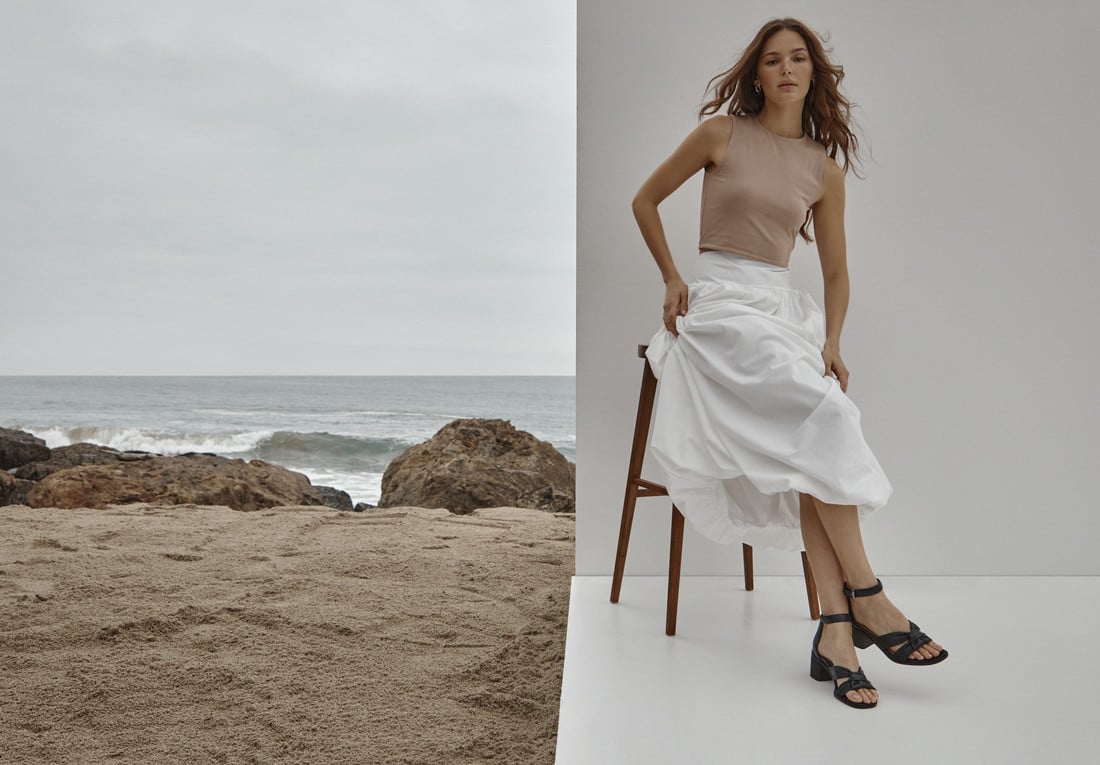

Love the style of high heels, but not so fond of the discomfort that standing and walking in them can cause? We don’t blame you! No fear—support is here—to help alleviate and minimize the pain, so you can feel as good in high heeled shoes as you look while wearing them!
If you’re wondering how to reduce pain in heels, the right combination of support, stretching, and smart shoe choices can make all the difference. Read on to learn how to wear high heels without pain and how to choose the right designs that prioritize both style and foot health.
Why Do They Hurt So Much?
There’s really nothing worse than persistent heel pain when wearing your favorite pair of shoes. So, what causes a sore heel exactly? Design, simply put, is the culprit. The elevation of the heel shifts your body weight forward (which would otherwise be evenly distributed in a flat-style shoe) toward the balls of the foot, aka the “metatarsals.” This forward shift in body weight creates a misalignment of the entire skeleton, causing your knees and hips to also go forward, which hyperextends your back in the opposite direction to keep you balanced.
Not surprisingly, this can cause a whole host of other issues:
- lower-back strain
- shortened achilles tendons
- bunions and hammertoes
- pinched nerves
- stress fractures
- arthritis of the foot
- toenail problems
Fun, right? Thankfully, if you’re a true aficionado you don’t have to abandon high heels totally, but perhaps consider making them the exception, not the rule, as your go-to shoes. For real heel pain relief, it’s worth choosing heels that come with built-in support to keep you comfortable from day to night.
Time-Outs Are Rewarding
Heels shouldn’t be worn all day or everyday—especially for long periods of standing and walking. Alternating shoe styles throughout the week, and even throughout the day, is great for long-term foot health, regardless of your foot type. Plus, doing so allows you to climb back into your high heeled shoes with fewer issues when you’re ready to take it up a notch again. And if you’re a true high heel fan, try switching between different types of heels—like block, kitten, or women’s wedges—to give your feet a chance to adjust while still enjoying the elevated look you love.
Consider Your Specific Concerns
Choose supportive shoe styles that accommodate any heel spurs, hammertoes, bunions or wider-width feet. Wearing the correct right size and width will save your soles from experiencing unnecessary pressure and pain. Be sure to measure your foot size correctly to prevent any foot pain and ensure the perfect fit.

Build a Varied Wardrobe
Sure, thin-heeled stilettos are some of the best shoe trends for spring, but also invest in alternatives that have built-in arch support and a thicker heel, such as wedges, espadrilles and block heels. If you’re looking for the perfect wedge that can be worn for both casual outings, try out our Uptown Sunset Wedge Sandal. Looking for something a bit more formal? Our Maia Heeled Sandals are sophisticated and feminine, adding a perfect touch of style to any ensemble. For an elegant option that offers both comfort and style, consider our Chardonnay Heeled Sandal, perfect for dressing up any outfit while maintaining all-day support.
When choosing women’s flats for those off-heel days, remember that there is such a thing as too flat! Sensible shoes should have thicker sole, arch support, as well as cushioning/shock absorption. Our Orinda Square Toe Ballet Flat is the perfect shoe if you’re looking for an everyday flat that’s both trendy and supportive.
Commit to Foot Exercises and Relaxation Techniques
While the wrong pair of heels can cause an ingrown toenail, a heel spur, or a blister, they can also cause more severe problems like chronic pain. So how do you prevent heel pain and maintain healthy feet? It all starts with a supportive shoe with a proper heel cup and arch support as well as the right stretching exercises.
As with everything, an ounce of prevention is worth a pound of cure, and putting a bit of time into these simple foot exercises can have a big impact on your foot health:
Calf Raises – Stand up straight, then push through the balls of your feet and raise your heel until you are standing on your toes; lower slowly back to the start and repeat. For balance, place your hand on a counter or table as you do it, becoming more stable over time. Raises not only keep your calves strong, they also maintain achilles tendon strength and are often used in physical therapy for tendon injury recovery.
Calf and Foot Stretches – Elongating muscle is key to keeping it flexible for wearing heels. These can be done sitting, in downward dog yoga position, against the wall in a runner’s stretch position or on a stair.
Toe Grips – Pick up an object with your toes (like a t-shirt, thin towel or socks), hold for 10 seconds, release and repeat. This works the smaller muscles of the feet and toes which are also ankle stabilizers. You can do this while standing, laying on your back or side, or while seated in a chair.
A-thru-Zs – Draw the letters of the alphabet in the air with your big toe, moving only your ankle. This works all of the major muscle groups of your leg. Don’t worry, most people need a break midway through this drill—see if you can get to a new letter each time you try!
Balancers – Practice standing on one leg at a time: this helps proprioception, the balance nerve receptors in your legs, ankles and feet. Again, there’s no shame in the game if you place your hand on a counter or table as you do it, becoming more stable over time.
Massage – Get professional massages regularly if you can, but also do a self massage to your calf muscle, achilles tendon and arch of your foot to help release tension and pressure.
Icing – Ice your heels, arch, and ball of feet for on/off intervals of 15 minutes each; apply it to areas that are sore or puffy. Ice is a safe and natural anti-inflammatory!
Foam rolling – A foam roller is a great tool to have around the house for relieving tension and loosening tightness in calves, achilles tendons, arch of foot, upper leg areas and lower back.
How to Reduce Pain in Heels: Finding the Perfect Shoe
We wish you the best of luck with all of the above—these tips should definitely make a difference in how your feet feel. At Vionic, we believe that style and comfort should always go hand in hand. That’s why our high heel collection is designed with Vio Motion Support— technology that offers stability, cushioning, and arch support exactly where you need it most.
Whether you’re heading to the office, out for dinner, or dancing the night away, Vionic high heels are crafted to support you. Find comfortable women’s shoes in all the latest high heel styles, so you can feel confident without sacrificing comfort. Here’s to many happy hours ahead in your favorite styles of high heels—with shoes that love your feet back.