
By: Elizabeth Bass Daughtry, DPM, D.ABFAS, FACFAS: Podiatric Surgeon and Physician
Many foot ailments are relatively common and can vary in severity. Most foot problems occur due to a combination of your foot structure, the activity that you are performing, and the shoes you wear for the activity. Without proper support, many issues can arise and lead to foot and ankle pain.
As each foot ailment is discussed, it should be noted that many issues are closely related and can be treated with similar treatments. Most of these stem from adequate arch support and proper shoes. In this article, we will explore some of the more frequent and common foot and ankle ailments, their causes, and how to manage and treat them.
What’s Causing Your Foot Pain? Common Foot Ailments
Whether you’re struggling with heel pain, foot injuries, or Achilles tendonitis, these are some of the most common foot problems, along with practical tips to help you manage and treat them effectively.
Plantar Fasciitis
Starting off is plantar fasciitis, undoubtedly one of the most common foot ailments. This condition can be debilitating and can slowly develop or start suddenly. Plantar fasciitis occurs when the plantar fascia, the thick band of tissue or ligament running from the bottom of the heel toward the toes, becomes inflamed. Typically, the problem results in a sharp, stabbing, or pulling sensation in the bottom of the heel. Most commonly associated with overuse, even though many different stimuli can lead to the development of heel pain and other symptoms.
So, does plantar fasciitis go away? The answer isn’t always straightforward, relief often depends on the right combination of rest, support, and consistent care. Management and treatment of plantar fasciitis is based on the biomechanics of how we walk. As we rest to allow for the soft tissue to recover and heal, the soft tissue structures can tighten leading to excessive pulling of the structure upon stance, especially if not wearing appropriate support for your foot structure.
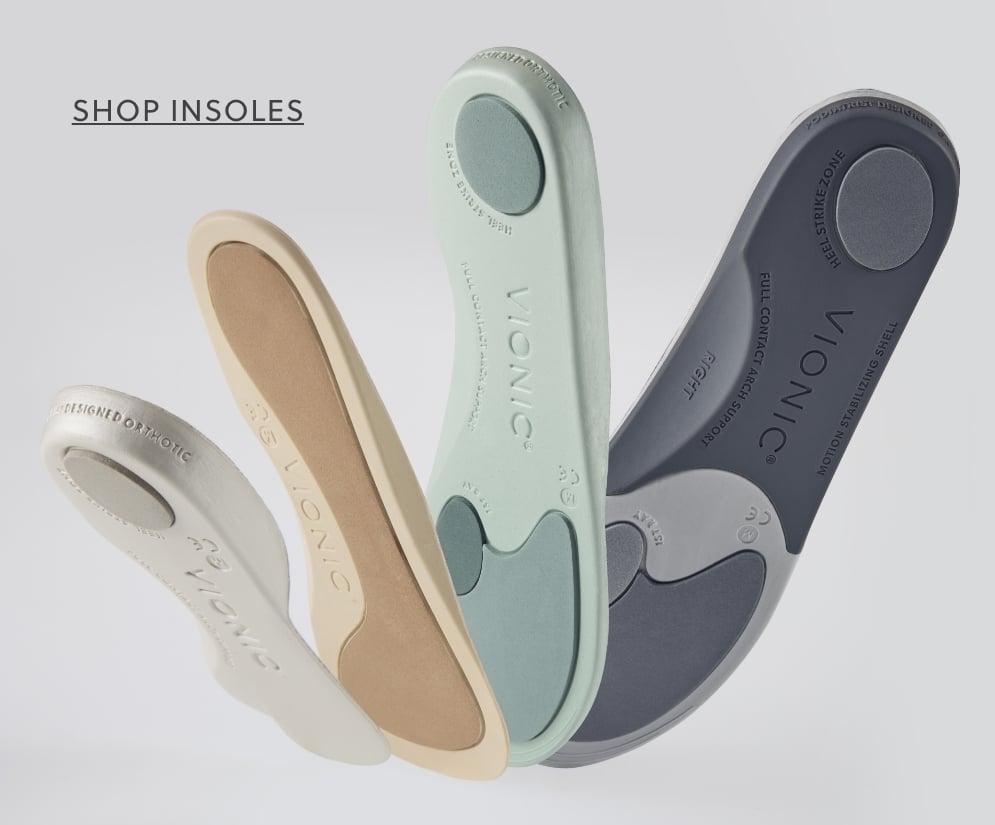
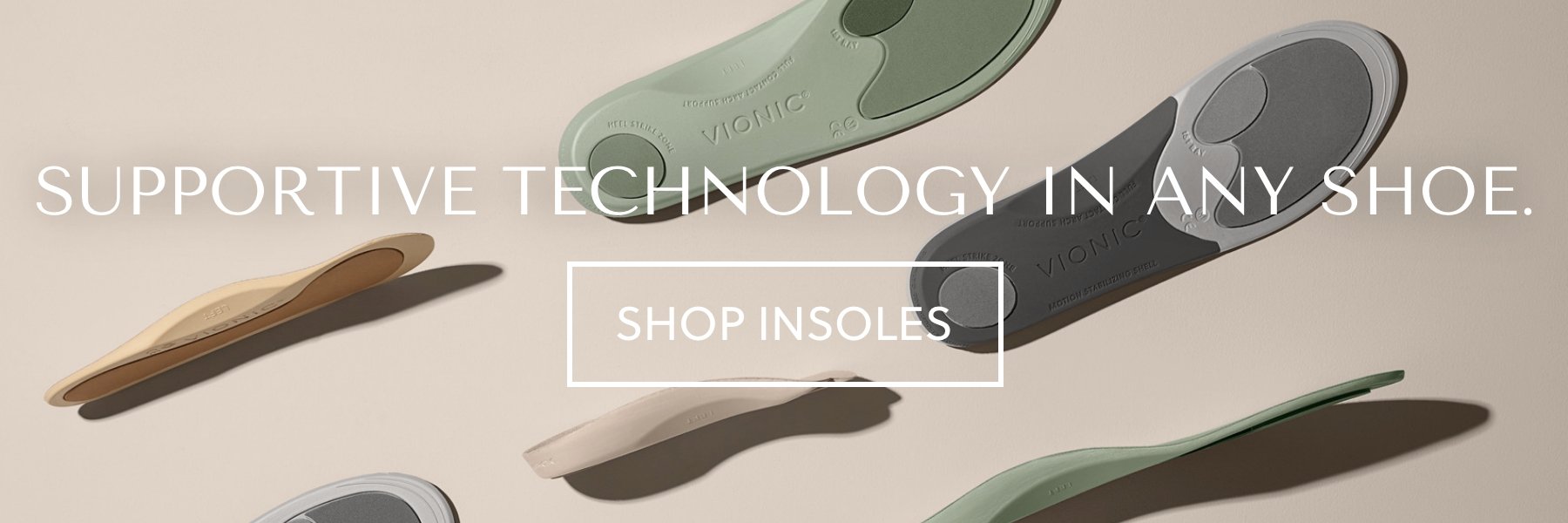
One way to address this is to stretch the ligament and associated foot tendons with foot exercises or by using a splint or brace. To help avoid issues with walking or standing, make sure to wear shoes that have adequate arch support, such as Vionic’s line of women’s comfortable arch support shoes that offer built-in arch support or even more custom insoles or orthotic shoe inserts.
Other treatments that address the associated soft tissue inflammation, such as medication, can be added at the discretion of a medical professional.
Achilles Tendonitis
Next would be Achilles tendonitis, which is similar in etiology and treatment to plantar fasciitis, as these structures are closely associated anatomically and work together to assist with proper gait. The Achilles tendon is the large structure that connects the calf muscles to the back of the heel bone. Symptoms are usually swelling, foot pain, and tightness along the back of the heel bone. Again, rest and stretching exercises are necessary to improve symptoms, as it is due to overuse or excessive pulling or straining of the Achilles tendon. One additional treatment used with this specific ailment is either a heel cup or heel lift to take additional pressure off the excessive pulling of the tendon on the back of the heel bone. This treatment can also be accomplished by using arch supports or shoes with an adequate heel wedge or lift for additional support.
Flat feet (pes planus) occurs when the bottom of the foot or arch of the foot is flat on the floor when standing and walking. This condition can be genetic, as you inherit your foot structure and alignment from your parents. Sometimes this common foot problem can slowly develop over time as a result of wearing poorly constructed shoes, foot injuries, ligament laxity, or excessive flexibility of the foot joints, or failure of tendons that assist with maintaining the arch when involving body weight and gravity. Conservative treatments are limited to additional arch support, preferably custom orthotics, as more rigid arch support for someone with a flatter foot structure can be painful if the arch is built too high for the specific foot structure or how the foot changes when body weight is applied.
If excessive stress is placed on the ankle tendons that support the arch, additional support, such as ankle braces or temporary immobilization, may be needed to help counteract the effects of gravity on the foot’s structure. As a last resort, surgery is undertaken if pain is not controlled with adequate arch or ankle support.
Bunions
Bunions are a very common foot ailment and can lead to other issues and concerns, such as foot corns and calluses, or even joint pain or arthritis. Bunions are when the great toe or hallux starts to lean or progress/drift towards the smaller toes. Subsequently, the first metatarsal or the long bone that connects the toe with the rest of the foot will begin to become more prominent on the inside edge of the foot, away from the smaller toes. Bunion development occurs in those with certain foot structures and mainly due to genetic conditions due to inherited foot shape.
Bunions develop from excessive flattening of the foot or what is termed as overpronation, so this is a common ailment in those with a flat foot or ones with a very flexible higher arch structure. The main conservative treatment of this problem is arch support, be it prefabricated with insoles or shoes with better arch support and shoe structure, such as those offered at Vionic. Once a bunion develops, and the tendon balance of the big toe joint has been affected or arthritic changes occur to the big toe joint, surgery is the only solution for correcting the foot deformity.
Hammertoes
Hammertoes occur when the small toes begin to bend or contract downward leading to the bones of the small toe joints to become prominent. Typically if shoes rub against these bony prominences, corns can develop on the toes or calluses can form on the bottom of the foot due to the change in foot structure and new pressure points from walking, especially in certain shoes.
Toes function to assist with balance and stability, so when the tendons that help bend the toe become over or underbalanced, the toe will drift or contract leading to mal-alignment of the toes. Conservative treatments include arch supports, toe pads, cushions, splints, and proper wide or deeper shoes. Again, surgery is utilized when conservative treatments fail to eliminate foot pain or the deformity associated with this foot condition.
Corns and Calluses
Corns and calluses develop on or between toes (corn) or on the bottom of the foot (callus) in areas of added stress or friction due to either foot deformity or use of ill-fitting shoes with a lack of adequate arch support or cushioning. Typically, due to the development of various foot deformities, these issues are intensified by a lack of properly fitted shoes or shoes without proper arch support. Typically, these are treated by a professional by trimming the skin lesions to prevent further buildup of the thickened and painful skin.
Use of over-the-counter products to remove the lesions can potentially lead to issues or infection in those with diabetes and should be utilized under the direct supervision of a medical professional. Proper padding and cushioning, well-fitted shoes, and adequate arch support are essential for preventing the recurrence of these painful skin lesions. These painful conditions can often be fully resolved by wearing properly fitted shoes and using padding or cushioning to offload pressure from bony prominences.
Metatarsalgia
Metatarsalgia is a generalized term used to describe pain in the ball of the foot. Foot structure and associated footwear with a lack of proper support are the main reasons that people have issues with diffuse pain on the ball of the foot. Those with a higher arch foot and a lack of adequate fat padding across the ball of the foot, or those with a tight Achilles tendon, can be at risk of developing this condition. Overuse or additional pressure to the ball of the foot due to shoes without adequate arch support or cushioning are is usually the reason for this relatively common foot condition. This common foot ailment is easily managed with supportive footwear and arch support, which may require added padding to help relieve pressure on the ball of the foot.
Morton’s Neuroma
Morton’s Neuroma is not as common as many believe and can be confused with a localized joint inflammation to one of the surrounding joint capsules of the metatarsal-phalangeal joints or even those symptoms associated with metatarsalgia. Joint swelling can compress the digital nerves between the metatarsals, triggering symptoms that may mimic or even contribute to the development of this condition. Different foot deformities, lack of proper arch support, lack of wide width or wider toe box shoes, and inappropriate footwear can lead to further compression of the digital nerves and lead to pain and nerve inflammation. Conservative treatment includes appropriately sized shoes with a wider toe box and use of forefoot padding or cushioning, along with use of arch supports to separate metatarsal bones from excessive compression of the digital nerves. Otherwise, when the nerve becomes too inflamed, the nerve can be treated with medication such as cortisone injections or oral anti-inflammatories, which is are monitored by a medical professional.
Ingrown Toenails
Ingrown toenails occur when the edge of a toenail penetrates the skin fold, leading to pain, swelling, inflammation, or even infection. Typically, ingrown toenails develop as a result of improper nail trimming, injury or trauma, or improperly fitting shoes. Treatment includes saltwater soaks, topical antibiotics, proper nail trimming, and appropriately fitting shoes with adequate room in the toe box. In more severe cases, nail surgery can be undertaken to remove a portion of the nail to prevent pain and resolve the problem.
Taking Steps Toward Better Foot Health
Foot discomfort is a common experience and can sometimes be influenced by everyday habits, footwear choices, and overall activity levels. Whether you’re navigating minor concerns like heel soreness or bunions, or more complex challenges such as flat feet or Morton’s neuroma, early attention and thoughtful care may help you feel more comfortable throughout the day.
Choosing well-fitting footwear, exploring the use of inserts, and practicing daily foot care are all simple ways to support your feet. If discomfort persists, consulting a podiatrist or foot care specialist can offer guidance tailored to your unique needs.
From soreness in the heel area to concerns involving toe position—like hammertoes or mallet toes—your feet play a vital role in your movement. Giving them the attention they need can make a meaningful difference.
Vionic footwear incorporates Vio Motion technology, which is developed with features such as arch contouring and stability-focused design elements to complement natural foot motion and promote everyday comfort.
Author:
Dr. Elizabeth Daughtry obtained her bachelor’s degree in Biological Science majoring in biology with minors in chemistry and psychology from Meredith College in Raleigh, NC. She pursued her passion for medicine by attending Temple University School of Podiatric Medicine in Philadelphia, PA, where she received her doctorate.
Upon completion of her post-graduate studies, Dr. Daughtry attended one of the largest and well-recognized podiatric residencies in the Mid-Atlantic region, MedStar Washington Hospital Center and MedStar Georgetown University Hospital, for a comprehensive three-year surgical residency in foot and ankle surgery. She received excellent training in both elective and non-elective care in the forefoot and rearfoot reconstruction, trauma, as well as wound care for limb salvage.
Dr. Daughtry is Board Certified by the American Board of Foot and Ankle Surgery in Foot Surgery. She is on the medical staff at UNC Rex Hospital, WakeMed Cary, Sampson Regional Medical Center, and Harnett Health System.
Dr. Elizabeth Daughtry is on the Executive Board of the North Carolina Foot and Ankle Society as President and is a state Delegate for the American Podiatric Medical Association. She is also a previous Executive Board member of the American Association for Women Podiatrists and the previous Conference Chair of the AAWP Scientific Conference for multiple different years.
Dr. Daughtry is originally from Spivey’s Corner, NC, and currently resides in Dunn with her musician husband, Michael Daughtry, and her daughter, Anika. She enjoys time with her family, playing music, scrapbooking, and other arts and crafts.
Leave a Reply