
Priya Parthasarathy DPM: Partner at USFAS, practicing in Silver Spring, MD
As a podiatrist, and a busy mom of three boys, I spend my days on my feet both at work and at home. Whether I’m in the clinic, chasing after my kids, or trying to squeeze in a workout, I know firsthand how important supportive shoes and insoles are for keeping me comfortable and moving.
But here’s something I see all the time in my clinic: people come in with foot pain, and when I look at their shoes or insoles, they’re completely worn out. The truth is, many of us hold on to old shoes long past its “expiration date,” and it can lead to foot pain, injuries, and long-term problems. So that begs the question: how often should you replace your shoes?
Shoes and insoles don’t last forever. Over time, the cushioning compresses, the support flattens, and the structure breaks down—even if the tread on the bottom looks perfect. When that happens, your feet (and the rest of your body) start absorbing more stress with every step.
How to Tell It’s Time to Replace Your Shoes
Even if your shoe still looks like they’re in good condition, there are subtle signs that it’s time to swap them out. As cushioning breaks down and support fades, your feet begin to absorb more impact, especially during walking, workouts, and everyday movement. You may notice new foot pain, tired arches, or discomfort in your knees or back after a long day. Runners may feel shin splints, changes in foot strike, or aches from old running shoes, which can increase the risk of stress fractures over time. When you start feeling discomfort in the heel or arch during regular activity, it’s often the body’s early signal that the shoe lifespan is ending. This applies whether they’re running shoes, walking shoes, workout shoes, or your go-to everyday shoe. Paying attention to these changes, before you see significant wear or tears, helps with injury prevention and ensures you always have the support you need.
Not sure if it’s time for a new pair? Try these quick tests:
- The “sandwich test”: fold the shoe in half from toe to heel. If it bends easily, the midsole support is gone.
- The heel counter test: the heel counter is the stiff part at the back of your shoe that cups your heel. Try pressing it with your thumb—if it collapses, the shoe has lost stability.
I can’t tell you how many times I’ve shown these tests in the clinic and patients are shocked, because their shoes still look fine on the outside.
How Often Should You Replace Your Shoes and Inserts
How often should you replace your walking shoes and inserts? The exact timing depends on how active you are, but here are some general guidelines I share with patients:
- Shoes: About every 300–500 miles of walking or running (roughly 6–12 months for most people).
- Insoles: Every 6 months, or sooner if you notice flattening or loss of support.
Many of my patients are surprised to learn that even over-the-counter inserts have a shelf life. Some come in still wearing the same pair I recommended years ago. By then, the cushioning and support are long gone. Replacing insoles regularly helps prevent recurring heel pain, arch strain, and fatigue.
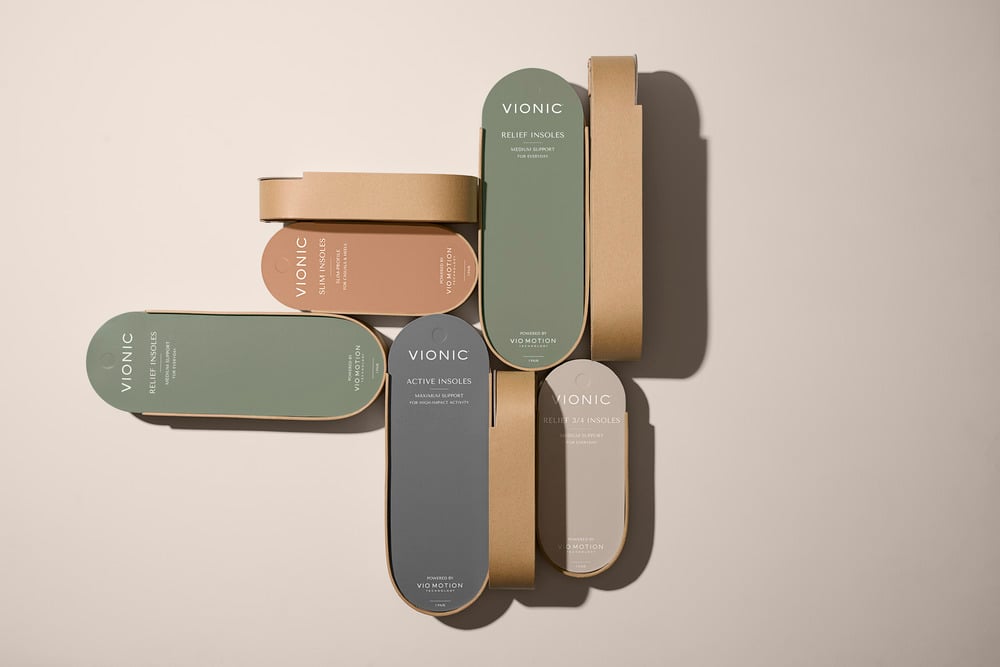
This is where Vionic’s insole collection really shines. Each one is designed for a different need, so you can stay supported no matter your lifestyle:
- Relief Full-Length Insole: Perfect if you’re on your feet all day, offering maximum arch and heel support.
- Relief 3/4 Length Insole: Great for tighter shoes where you still want targeted comfort.
- Active Insole: My recommendation for workouts, walks, or higher-impact activities.
- Slim Insole: Discreet support for dress shoes or sandals when you don’t want bulk.
Replacing your shoes and insoles may feel like a small thing, but it can make a huge difference in your daily comfort, your posture, and even your long-term health. Don’t wait for pain to tell you it’s time, being proactive will keep you moving confidently through work, workouts, and all of life’s busy moments.

How to Make Your Shoes Last Longer
While it’s important to know how often you should replace your shoes, there are also simple ways to extend the shoe lifespan and keep your feet supported as long as possible. Proper care reduces excessive wear, helps prevent foot pain, and protects your investment. Whether they’re running shoes, walking shoes, casual sneakers, or workout shoes. Even with great care, remember that most footwear still hits its limit around that 300–500 mile mark, or when you see significant wear in the heel counter, tread, or midsole.
Think of these habits as smart injury prevention. When your shoes stay in good condition, you reduce the strain on your foot, ankle, and knees, helping you stay active whether you’re a runner, spending long days walking, or mixing in workouts. And if you rotate multiple pairs, you give each shoe time to decompress between wear, which can lengthen shoe life and delay the need for a new pair.
Tips to extend the life of your shoes:
- Rotate between shoes instead of wearing the same sneaker every day, especially if you run or walk frequently
- Only use running shoes for running, and gym shoes/workout shoes for training to reduce uneven wear
- Untie laces before taking shoes on and off to avoid stretching the heel and causing premature tears
- Store shoes in a cool, dry place to protect materials and maintain heel and arch structure
Even with the best care, old shoes eventually lose their support. When you start feeling shin splints, arch fatigue, or changes in your foot strike, it may be the right time to transition into new shoes before stress fractures or overuse injuries develop. Listening to your body, and your shoes, helps you stay pain-free and active mile after mile.
Stay Supported With Every Step
Choosing to replace your shoes and insoles isn’t just about comfort, it’s about protecting your long-term foot health, posture, and mobility. When you refresh your footwear before foot pain sets in, you help prevent strain, fatigue, and injuries, and you keep moving confidently through long days, workouts, and everyday life.
That’s why Vionic designs supportive footwear and insoles powered by our innovative Vio-Motion™ technology, which provides built-in stability, cushioning, and natural alignment from heel to toe. Whether you’re lacing up for a walk, heading into a busy workday, or slipping into your favorite everyday shoe, Vionic helps ensure each step feels supported and strong. Give your feet the foundation they deserve. When it’s time for your next new pair, choose comfort engineered by podiatric science.
Author:
Dr. Parthasarathy is a Partner at US Foot and Ankle Specialists (USFAS) and practices in the DMV area. Dr. Parthasarathy is the recent recipient of Podiatry Management’s Future Star Award in 2020. She is also the recipient of the American Podiatric Medical Association’s (APMA) prestigious Rising Star Award in 2017. She has been featured in the media including The New York Times, The Washington Post, Self Magazine, Women’s Running Magazine, NYMag and Prevention Magazine. She is currently Chair of the APMA Communications Committee and a member of the APMA Education Committee. Dr. Parthasarathy is an Editor for the Compendium of Podiatric Medicine and Surgery Publication. She serves on the Editorial Board of Advisors of the Podiatry Today publication. She is also President on the Maryland Podiatric Medical Associations Executive committee. Dr. Parthasarathy is the former Podiatry Section Chief at Medstar Montgomery Medical Center. She previously served on the Board of Directors of the American Board of Podiatric Medicine (ABPM) . She lectures frequently at National Conferences. She is board certified by the American Board of Podiatric Medicine.
Leave a Reply